
The demand for smart surveillance systems has grown rapidly, with homeowners across New Jersey prioritizing safety and peace of mind. However, while the technology behind modern cameras is more advanced than ever, the process of setting up an effective system can still present certain challenges. From connectivity issues to improper camera placement, understanding these obstacles helps ensure a smoother, more reliable home security camera installation NJ experience.
Understanding Property Layout and Coverage Gaps
One of the biggest challenges in security camera installation arises during the planning stage. Every property has unique characteristics — architectural design, landscaping, and lighting — that influence how cameras should be positioned.
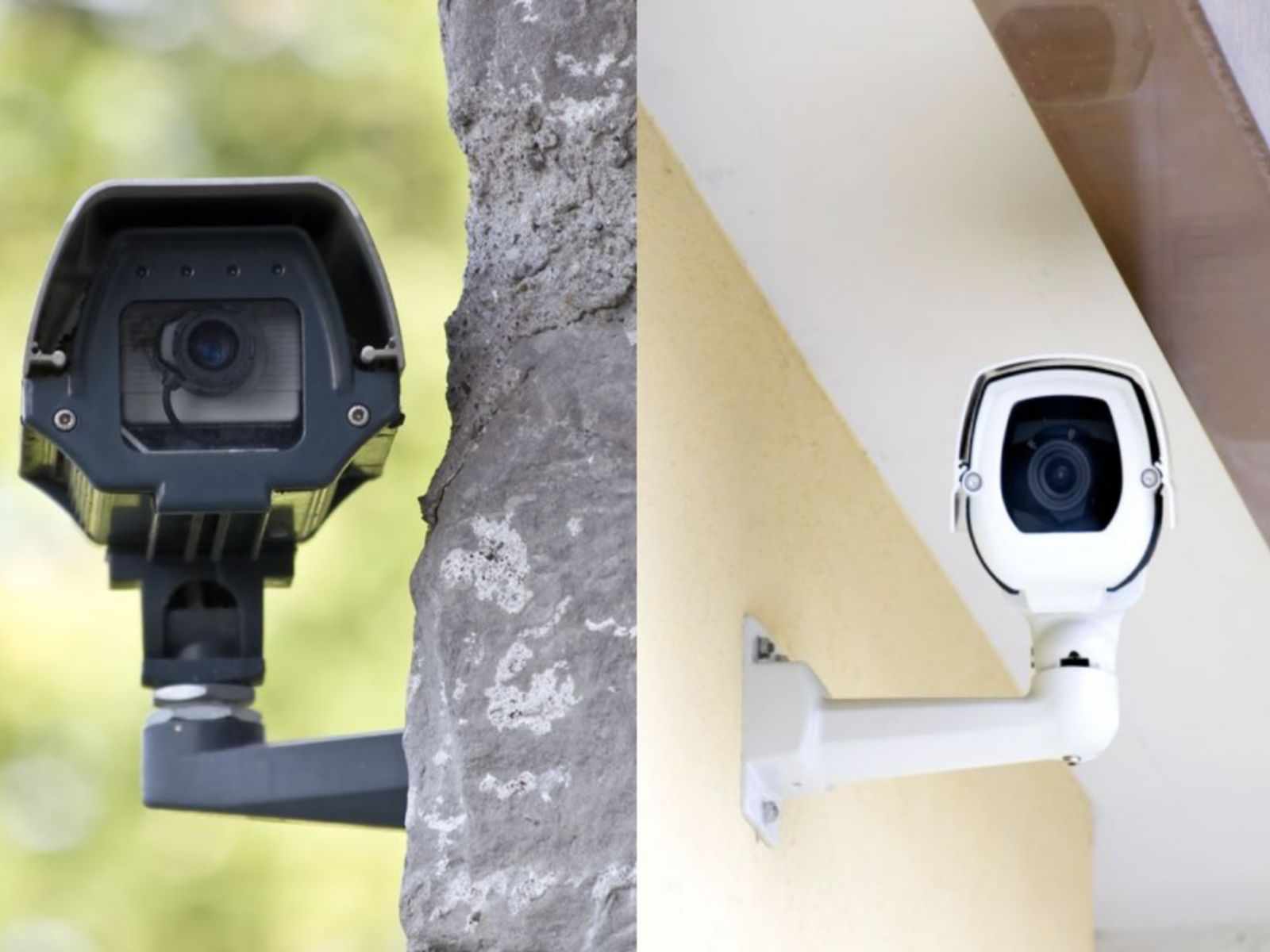
Cameras placed too high may miss important details like facial recognition, while those set too low might be prone to tampering. Additionally, blind spots around corners or large obstacles such as trees and fences can affect coverage. Ensuring a comprehensive view of entry points, driveways, and outdoor spaces requires both technical skill and spatial awareness. Professional installers typically use mapping tools to determine optimal camera placement and minimize these issues.
Power Supply and Cabling Difficulties
Wiring is another area where homeowners face hurdles. In older properties, routing cables through walls, ceilings, or attics can be time-consuming and complicated. Improperly secured wires not only look unappealing but can also pose safety risks.
For this reason, many opt for wireless or PoE (Power over Ethernet) systems. However, even wireless solutions require consistent power sources and careful management of connectivity to avoid dropouts. Expert home security camera installation NJ professionals ensure that power lines and cables are neatly concealed, securely mounted, and protected against environmental wear.
Network and Connectivity Issues
Most modern security cameras rely heavily on Wi-Fi or wired networks for live streaming and cloud storage. A weak or inconsistent connection can cause lag, recording interruptions, or complete signal loss. Homes with multiple floors or thick concrete walls may face reduced signal strength, which directly impacts the reliability of the system.
To combat this, technicians often recommend:
Installing dedicated routers or mesh Wi-Fi systems.
Prioritizing bandwidth for security devices.
Configuring the network for optimal upload speed.
Strong and stable connectivity ensures that video footage remains accessible in real time, a critical factor in maintaining an effective surveillance system.
Weather and Environmental Considerations
New Jersey experiences a wide range of weather conditions — from humid summers to icy winters. These fluctuations can take a toll on outdoor security cameras. Moisture, heat, or frost can interfere with lenses, sensors, or wiring. Choosing weatherproof, high-IP-rated cameras designed for outdoor use helps mitigate this risk.
Moreover, proper camera housing and sealing prevent condensation buildup, while anti-glare covers maintain clear footage under bright sunlight. Professional installation ensures that every device is placed and protected according to the environment’s demands, guaranteeing long-term performance.
Storage and Data Management Challenges
Footage storage is often an overlooked aspect of installation. High-definition cameras generate large video files, and without proper planning, users can quickly run out of space. Options like local DVR/NVR storage and cloud-based solutions each have their pros and cons.
Local systems offer privacy and no monthly fees but require maintenance and backup systems. Cloud storage provides accessibility and convenience but depends on a stable internet connection and can involve subscription costs. Balancing these factors helps ensure that valuable recordings are preserved securely and efficiently.
Compliance and Privacy Concerns
In New Jersey, homeowners must be aware of privacy laws related to surveillance. Cameras cannot record areas that violate neighbors’ privacy, such as inside adjacent properties or through shared spaces. Additionally, audio recording may require consent in some cases.
Working with professional installers ensures compliance with state and local regulations. They assess camera angles and recording settings to maintain lawful surveillance while still providing comprehensive protection for your home.
Conclusion: Professional Solutions for a Seamless Experience
While do-it-yourself setups may seem tempting, the complexity of modern surveillance systems makes professional installation the safer and more effective choice. Experienced technicians can overcome layout, wiring, and network challenges to create a fully functional, reliable system that protects what matters most.
If you want complete peace of mind and a smooth home security camera installation NJ, partnering with experts like DTV Installations ensures that every camera is optimized for performance, compliance, and durability. With tailored solutions designed for your home’s needs, you can rest easy knowing your security system is always a step ahead.


Write a comment ...